Introduction
In the era of the rapid development of electric vehicles, charging stations have become an indispensable part. They are the key infrastructure that enables electric vehicles to operate continuously, much like gas stations for traditional fuel - powered cars. The growth and wide - spread of charging stations directly affect the popularity and development of electric vehicles.

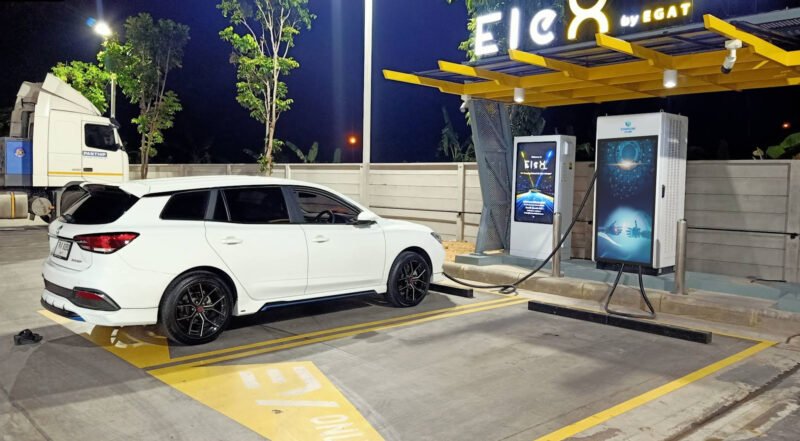
Types of Charging Stations
Public Charging Stations
Public charging stations are mainly located in areas such as shopping malls, parking lots, and highways.
- Convenience for Travelers: They provide convenience for electric vehicle owners during long - distance travel or when they are away from home. For example, on highways, these stations allow drivers to recharge their vehicles during breaks, ensuring they can complete their journeys without running out of power.
- Diverse Charging Speeds: Public charging stations often offer different charging speeds, including slow - charging and fast - charging options. Slow - charging stations are more suitable for situations where the vehicle will be parked for an extended period, such as in a shopping mall parking lot for a few hours. Fast - charging stations, on the other hand, can quickly replenish a significant amount of battery power, allowing drivers to get back on the road in a relatively short time.
Home Charging Stations
Home charging stations are installed at the residences of electric vehicle owners.
- Cost - effective and Convenient: They offer a cost - effective and convenient charging solution. Owners can charge their vehicles overnight at a lower electricity rate. It also eliminates the need to travel to a public charging station, providing maximum convenience. For instance, after a day's work, an electric vehicle owner can simply plug in their car at home and wake up to a fully charged vehicle in the morning.
- Installation Considerations: However, installing a home charging station requires careful consideration of factors such as electrical capacity, available space, and local electrical codes.
Commercial Charging Stations
Commercial charging stations are usually found in business - related areas like office buildings and industrial parks.
- Meeting Fleet Charging Needs: They are designed to meet the charging needs of commercial electric vehicle fleets, such as delivery trucks or company cars. These stations can be configured to charge multiple vehicles simultaneously, improving the efficiency of fleet operations.
- Revenue - generating Opportunities: In some cases, commercial charging stations can also be a source of revenue for the property owners. They can charge a fee for the charging service, which can offset the installation and maintenance costs.
Charging Station Technology
Charging Speed Technology
The charging speed of a charging station depends on several factors.
- Power Output: Higher - power chargers can deliver more electrical energy to the vehicle's battery in a shorter time. For example, DC fast - chargers can typically provide a much higher power output compared to AC chargers, enabling a significant increase in charging speed. However, not all vehicles are compatible with high - power chargers, as the vehicle's battery management system also plays a crucial role in determining the maximum charging speed it can handle.
- Battery Chemistry: Different battery chemistries in electric vehicles can also affect the charging speed. Some battery chemistries are more conducive to fast - charging, while others may require a slower charging process to maintain battery health and lifespan.
Connection Technology
There are various connection technologies used in charging stations.
- Standard Connectors: Standard connectors ensure compatibility between different electric vehicles and charging stations. For example, in Europe, the Type 2 connector is widely used, while in the United States, the SAE J1772 connector is common. Tesla, on the other hand, has its own proprietary connector. The development of universal or adaptable connectors is an important trend to improve the interoperability of charging stations.
- Communication Protocols: Communication protocols are also essential. They enable the charging station to communicate with the vehicle, exchange information such as charging status, battery level, and billing details. The Open Charge Point Protocol (OCPP) is a widely used standard for this purpose.
Challenges and Solutions of Charging Stations
One of the main challenges is the insufficient coverage. In many rural areas or less - developed regions, the number of charging stations is still limited, which restricts the use of electric vehicles in these areas. To address this, governments and private enterprises need to increase investment in charging infrastructure construction, especially in areas with low charging station density. Another challenge is the high installation and maintenance costs. To reduce costs, technological innovation can be used to improve the efficiency of charging station components and simplify the installation process. Additionally, economies of scale can be achieved through large - scale deployment, which may help to lower the unit cost of charging stations.
Conclusion
Charging stations are the cornerstone of the electric vehicle ecosystem. Their types, technologies, and continuous improvement are crucial for the widespread adoption of electric vehicles. As the demand for electric vehicles grows, it is essential to keep exploring and innovating in the field of charging stations. If you want to know more about charging stations, such as installation guides or new technological developments, stay tuned to our relevant content.
In summary, charging stations, including public, home, and commercial ones, are vital for electric vehicles. Their technologies, like charging speed and connection tech, are constantly evolving. Facing challenges like coverage and cost, solutions are being sought. For more in - depth knowledge on charging stations, follow our future updates to stay informed.