Introduction
The growth of the electric vehicle (EV) industry is heavily reliant on a robust EV charging infrastructure. Just as a well - developed road network is essential for traditional vehicles, an extensive and efficient charging infrastructure is crucial for EVs. It not only determines the convenience and practicality of EV usage but also significantly impacts the widespread adoption of electric vehicles on a global scale.

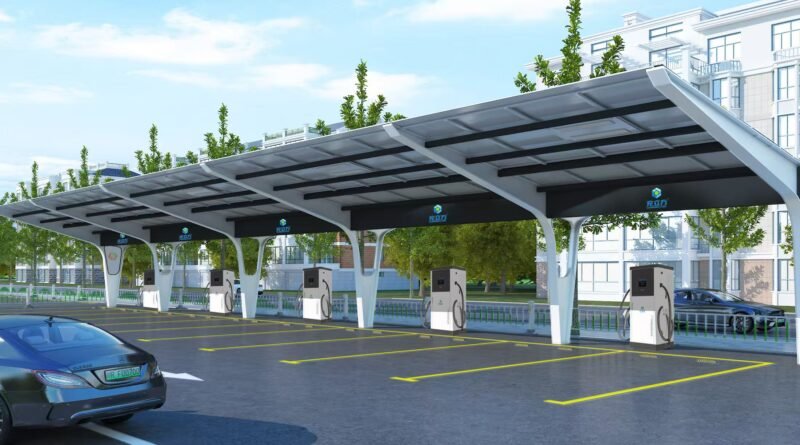
Types of EV Charging Infrastructure
Home - based EV Charging Infrastructure
Home charging is often the first line of charging for EV owners.
- Convenience and Regular Use: It offers unparalleled convenience, allowing EV owners to charge their vehicles overnight or during periods when the vehicle is not in use. This is especially beneficial for daily commuting, as the vehicle can start each day with a full charge. For example, a person who drives to work and back can simply plug in their EV at home in the evening and have it ready for the next day's journey.
- Installation Requirements: However, installing home - based charging infrastructure requires careful consideration. The electrical capacity of the home's electrical system needs to be evaluated to ensure it can support the charging load. Additionally, local building codes and regulations must be adhered to during the installation process.
Public EV Charging Infrastructure
Public charging infrastructure plays a vital role in enabling long - distance travel and providing charging options for EV owners away from home.
- Strategic Locations: These charging stations are typically located in areas such as shopping malls, supermarkets, highway rest stops, and public parking lots. For instance, a shopper can charge their EV while they are inside the mall, and a long - distance traveler can recharge at a highway rest stop.
- Diverse Charging Speeds: Public charging stations come with different charging speeds, including slow - charging (Level 1 and Level 2) and fast - charging (DC fast - charging). Slow - charging stations are more suitable for longer - term parking, while fast - charging stations can quickly replenish the battery for those in a hurry.
Commercial EV Charging Infrastructure
Commercial EV charging infrastructure caters to the needs of businesses with EV fleets or those looking to provide charging services as an added amenity.
- Fleet Charging: For companies with EV fleets, such as delivery services or taxi companies, dedicated commercial charging infrastructure can improve operational efficiency. These charging stations can be designed to charge multiple vehicles simultaneously, reducing the downtime of the fleet.
- Revenue - generating Opportunities: Some commercial establishments, like hotels and office buildings, can install charging stations to attract EV - driving customers. They can also generate revenue by charging a fee for the charging service.
Key Components of EV Charging Infrastructure
Charging Stations
Charging stations are the most visible component of the EV charging infrastructure.
- Types of Chargers: There are different types of chargers, each with its own power output and charging capabilities. Level 1 chargers use a standard household electrical outlet and provide a slow charging rate, typically adding a few miles of range per hour. Level 2 chargers, on the other hand, require a dedicated 240 - volt circuit and can charge an EV much faster, adding around 10 - 25 miles of range per hour. DC fast - chargers are the fastest, capable of adding a significant amount of range in a short time, often up to 100 miles or more in 30 minutes.
- Charging Station Features: Modern charging stations often come with features such as smart charging capabilities. This allows users to schedule charging, monitor energy consumption, and even receive notifications about the charging status through a mobile app.
Charging Cables and Connectors
Charging cables and connectors are the link between the charging station and the EV.
- Connector Standards: Different regions have different connector standards. For example, in Europe, the Type 2 connector is widely used, while in North America, the SAE J1772 connector is common for AC charging, and the CCS (Combined Charging System) is used for DC fast - charging. Tesla has its own proprietary connector. Compatibility between the charging station and the EV's connector is crucial for seamless charging.
- Cable Durability and Length: Charging cables need to be durable to withstand regular use and environmental conditions. The length of the cable also matters, as it should be long enough to reach the vehicle's charging port from the charging station.
Power Management Systems
Power management systems are essential for the efficient and safe operation of the EV charging infrastructure.
- Load Balancing: They ensure that the electrical load is distributed evenly among multiple charging stations, preventing overloading of the electrical grid. This is particularly important in areas with a high density of charging stations.
- Grid - Integration: Power management systems also play a role in integrating the EV charging infrastructure with the power grid. They can communicate with the grid to optimize charging times based on grid availability and electricity prices, reducing the impact on the overall power system.
Development Trends of EV Charging Infrastructure
Advancements in Fast - charging Technology
The pursuit of faster charging times is a major trend in the EV charging infrastructure.
- Increased Power Output: Manufacturers are constantly working on increasing the power output of fast - charging stations. Higher - power chargers, such as 350 - kW DC fast - chargers, are becoming more common. These chargers can significantly reduce the charging time, making EVs more comparable to traditional vehicles in terms of refueling speed.
- Battery Compatibility: Along with increasing power output, efforts are being made to ensure better compatibility between fast - charging technology and different types of EV batteries. This includes developing battery management systems that can handle high - speed charging without sacrificing battery lifespan.
Intelligence and Connectivity
The EV charging infrastructure is becoming more intelligent and connected.
- Smart Charging Features: Smart charging allows for remote monitoring and control of charging stations. Users can use mobile apps to find available charging stations, reserve a charging spot, and start or stop the charging process. Additionally, charging stations can communicate with each other and with the grid to optimize charging schedules based on factors like electricity demand and grid capacity.
- Data Analytics: The collection and analysis of data from charging stations are also becoming important. This data can provide insights into user behavior, charging patterns, and grid usage, which can be used to improve the planning and operation of the charging infrastructure.
Renewable Energy Integration
Integrating renewable energy sources into the EV charging infrastructure is an emerging trend.
- Solar - powered Charging Stations: Some charging stations are being equipped with solar panels to generate their own electricity. This not only reduces the reliance on the traditional power grid but also makes the charging process more environmentally friendly. For example, a solar - powered charging station in a sunny region can use the sun's energy to charge EVs during the day.
- Energy Storage Systems: Energy storage systems, such as batteries, are also being integrated into the charging infrastructure. These systems can store excess energy generated from renewable sources during off - peak periods and use it to charge EVs during high - demand times, improving the overall efficiency and reliability of the charging infrastructure.
Challenges and Solutions of EV Charging Infrastructure
One of the primary challenges is the high cost of installation and maintenance. The initial investment in setting up charging stations, especially fast - charging stations, can be substantial. To address this, governments can provide incentives such as subsidies or tax breaks to encourage private investment in charging infrastructure. Another challenge is the lack of standardization, particularly in terms of connectors and communication protocols. Industry stakeholders need to work together to establish unified standards to ensure seamless interoperability between different charging stations and EVs. Additionally, the limited range of EVs and the anxiety associated with running out of charge (range anxiety) can be mitigated by increasing the density of the charging network and improving the availability of fast - charging stations.
Conclusion
EV charging infrastructure is the backbone of the electric vehicle industry. Its various types, key components, and development trends are shaping the future of transportation. Despite the challenges, with continued innovation, investment, and cooperation among different stakeholders, the EV charging infrastructure will continue to evolve and support the widespread adoption of electric vehicles. If you're interested in learning more about specific aspects of EV charging infrastructure, like installation guides or new technological breakthroughs, keep an eye on our upcoming content.
In conclusion, EV charging infrastructure, including home, public, and commercial set - ups, is essential for the growth of the EV industry. Its components and trends, such as fast - charging tech and smart connectivity, are driving its development. Facing challenges like cost and standardization, solutions are on the horizon. For more detailed information on EV charging infrastructure, follow our future updates.